Behind many modern products lies a process that rarely gets the spotlight but plays a critical role in shaping industries—plastic extrusion. Extruded plastic manufacturers transform raw plastic into precise, consistent components used across a wide range of applications. From construction to healthcare, extruded plastic products are the quiet enablers of efficiency, durability, and innovation.
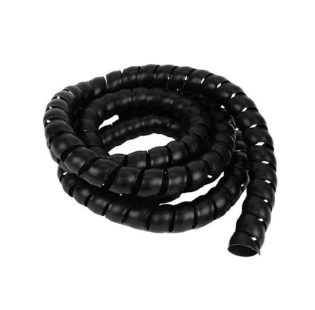
In sectors like construction and electrical infrastructure, materials such as conduit heavy duty products are essential for protecting wiring and ensuring long-term performance. These components, produced by extruded plastic manufacturers, are designed to withstand demanding environments while maintaining their form and strength.
1: Construction and Infrastructure
The construction industry depends heavily on materials that can endure changing weather conditions, pressure, and long-term use. Extruded plastic components fit naturally into this space because they combine durability with flexibility. From pipes and window profiles to protective coverings, these materials are used across residential and commercial projects.
2: Electrical and Telecommunications
In the electrical and telecommunications sectors, precision is not just important—it is essential. Extruded plastic manufacturers create components that organise and protect wiring systems, ensuring safe and reliable performance. These materials act as insulation and shielding, reducing the risk of damage and electrical faults.

3: Automotive Industry
The automotive industry is constantly seeking ways to improve performance while reducing weight. Extruded plastics play a key role in achieving this balance. They are used in seals, trims, and various structural elements that contribute to both functionality and design.
4: Medical and Healthcare Sector
In healthcare, every component must meet strict standards of precision and hygiene. Extruded plastic manufacturers produce specialised tubing, casings, and custom profiles used in medical equipment and devices.
5: Packaging Industry
Packaging is another area where extruded plastics quietly make a difference. They are used to create materials that protect products during storage and transportation while remaining lightweight and cost-effective.
Extruded plastic manufacturers may not always be visible, but their influence is woven into countless industries. They provide the precision components that keep systems running smoothly, from construction sites to medical facilities.