Showing posts with label electrical conduit. Show all posts

Friday, 21 March 2025

The Benefits of Split Corrugated Conduit for Electrical Protection

Choosing the appropriate split corrugated conduit is essential for protecting electrical wires. Split corrugated conduit, a dependable and adaptable solution frequently utilised in both residential and commercial installations, is one of the most common choices for electrical protection. Knowing the benefits of split corrugated conduit will help you decide on your wiring requirements, whether you're a contractor, an electrician, or a do-it-yourself.
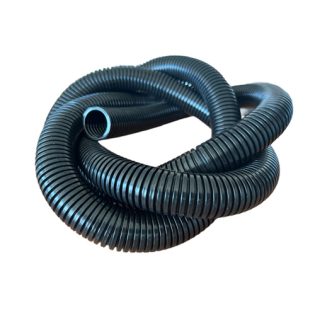
Electrical Conduit: Discover What It Is

A protected tube or channel used to contain electrical wires and cables is called an electrical conduit. It protects electrical wiring against environmental dangers such as chemicals, moisture, physical harm, and other threats that can jeopardise the wiring's integrity. Conductors also contribute to the tidy and orderly system of electrical wiring in homes, businesses, and industrial settings.

An electrical conduit's primary purpose is to provide protection. Furthermore, because conduit keeps the wires accessible and isolated, it can facilitate future electrical work, such as when adding or replacing wires.

The Appropriate Electrical Conduit Selection

Several variables, including the installation site, the surrounding environment, and your financial constraints, influence the choice of electrical conduit type.

Setting: Is your installation underground, outside, or indoors? The degree of protection that various materials offer against factors like heat, moisture, and physical force varies.

Code Compliance: Make sure you're utilising the appropriate conduit type for your application by consulting your local building codes. Which conduit types are permitted in particular locations may be governed by codes.

Requirements for Safety: For further safety, you might need to utilise robust metal conduit or other specialised choices if your installation is in an area with a high risk of electrical dangers or fire.

A qualified electrician or electrical supplier can assist you in making the right choice if you're not sure which conduit to use for your project. Installing conduits correctly is essential to building a dependable and secure electrical system.

Tuesday, 3 December 2024

Understanding the Plastic Extrusion Process for Electrical Conduit Manufacturing

Plastic electrical conduits have become an indispensable component in modern electrical installations. Their versatility, durability, and cost-effectiveness make them a preferred choice over traditional metal conduits. The plastic extrusion process of manufacturing these conduits involves a complex yet fascinating technique known as plastic extrusion.

What is Plastic Extrusion?

Plastic extrusion is a manufacturing process that involves melting plastic pellets and forcing them through a shaped die to create continuous profiles. This process is widely used to produce electrical conduit, and a variety of plastic products, including pipes, tubes, profiles, and sheets.

The Extrusion Process for Electrical Conduit Manufacturing

The process of manufacturing plastic electrical conduits involves several key steps:

  1. Material Selection:
    • The first step is to select the appropriate plastic resin. Common choices for conduit manufacturing include PVC (Polyvinyl Chloride) and HDPE (High-Density Polyethylene). These materials offer excellent electrical insulation, durability, and resistance to corrosion.
  2. Material Preparation:
    • The selected plastic resin is dried to remove any moisture that could degrade the material during the extrusion process.
  3. Extrusion:
    • The dried resin is fed into an extruder, a machine that heats and melts the plastic. The molten plastic is then forced through a die, which shapes the plastic into the desired conduit profile.
  4. Cooling and Solidification:
    • The extruded conduit is cooled rapidly to solidify the plastic. Either air cooling or water cooling can do this.
  5. Sizing and Cutting:
    • Once the conduit has cooled and solidified, it is sized to the desired dimensions and cut into specific lengths.
  6. Quality Control:
    • Rigorous quality control measures are implemented to ensure that the extruded conduits meet industry standards. These measures may include visual inspection, dimensional checks, and testing for electrical and mechanical properties.

Advantages of Plastic Electrical Conduits

  • Corrosion Resistance: Plastic conduits are highly resistant to corrosion, making them ideal for use in harsh environments.
  • Electrical Insulation: Plastic conduits provide excellent electrical insulation, protecting cables from short circuits and electrical shock.
  • Cost-Effective: Generally speaking, plastic conduits are less expensive than metal conduits.
  • Fire Resistance: Many plastic conduits are fire-resistant, reducing the risk of fire spread in case of electrical faults.

By understanding the plastic extrusion process, you can appreciate the engineering and manufacturing expertise that goes into producing the high-quality electrical conduits that are essential for modern electrical installations.