Tuesday, 13 May 2025

Health and Environmental Aspects With lszh Electrical Conduit

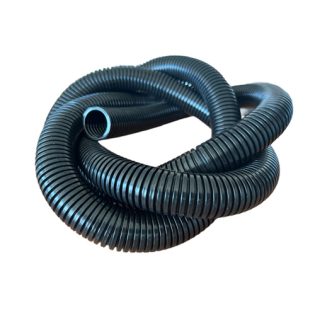
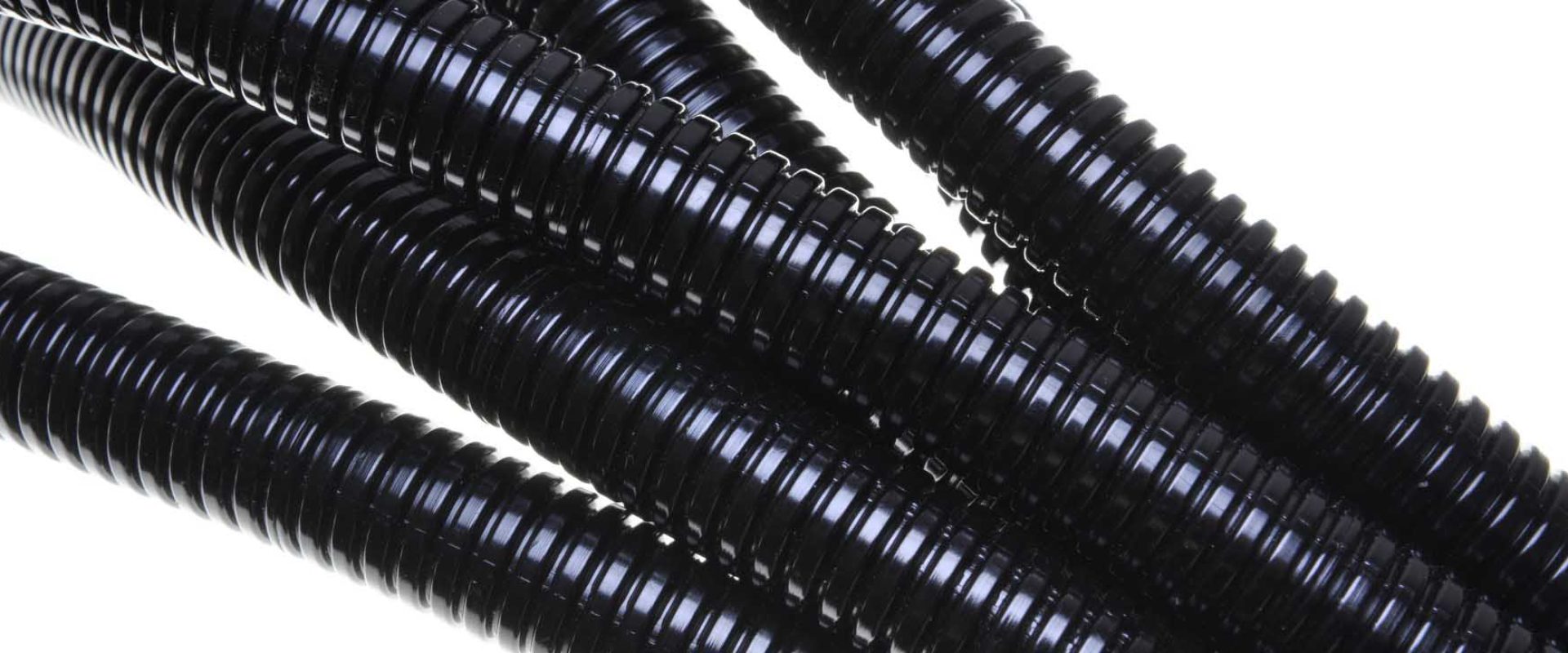
LSZH electrical conduit provides a cleaner option in a time when workplace health and environmental regulations are being scrutinised more and more. Because LSZH materials don't contain halogens, they don't contribute to the production of poisonous dioxins or other dangerous substances when they burn. Furthermore, LSZH materials' less environmental impact fits in nicely with sustainability objectives and green building certifications.
Durability Without Compromise in Adherence to Strict Regulations

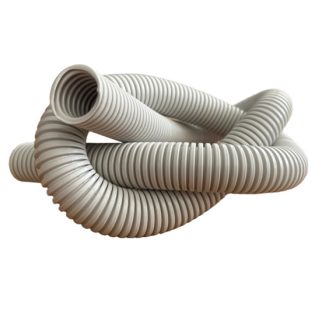
There is a widespread misperception that LSZH materials are not as strong as conventional PVC or metal corrugated conduit. LSZH conduit provides a future-proof option as global construction and fire requirements are becoming stricter, particularly in data centres, transit tunnels, and maritime settings. For international corporations that must maintain a constant degree of compliance across many countries, this is particularly important.

Conversely, contemporary LSZH conduits are made to endure a variety of environmental factors, including moisture, chemicals, UV rays, and temperature changes. They are appropriate for both indoor and outdoor applications since they maintain their mechanical strength and flexibility over time. Because of its resiliency, site managers and contractors don't have to compromise lifespan for security.

Perfect for Confined Areas Because It Safeguards Sensitive Equipment

Due to inadequate ventilation, the risk of smoke inhalation during a fire is significantly increased in restricted or highly inhabited spaces, such as skyscrapers, trains, aeroplanes, and submarines. In these situations, the low smoke emission properties of LSZH conduit offer a major safety benefit. In addition to saving lives, the adoption of LSZH in these locations guarantees business continuity by protecting vital systems including life support equipment, emergency lighting, and communication networks.

In addition to harming humans, smoke and corrosive halogen gases may also damage electrical devices. By stopping the discharge of chemicals that might hasten hardware breakdown, LSZH conduits contribute to the protection of these essential systems. This may drastically save maintenance expenses, data loss, and downtime.

Tuesday, 22 April 2025

The Role of Split Loom Tubing in Projects Using Extrusion Profiles Australia

In industrial and commercial projects, extrusion profiles Australia are commonly used for constructing frameworks, housings, and support structures in industries like construction, automotive, and manufacturing. But when cables, wires, or hoses need to run through or along these aluminium profiles, proper protection becomes critical. That’s where split loom tubing steps in.

What is Split Loom Tubing?

Flexible, corrugated plastic conduit with slits along the length of it is called split loom tubing. It’s designed to wrap around wiring bundles, making it easier to install and manage cables while offering excellent mechanical protection. In environments where extrusion profiles are used, the wiring often needs to run internally or externally along the profile’s channels. Split loom tubing provides a neat, secure solution for this.

Why Use Split Loom Tubing with Extrusion Profiles?

  1. Cable Protection:

Sharp corners or edges can occur in aluminium extrusion profiles, particularly after drilling or cutting Split loom tubing shields the wires from damage caused by vibration, pinching, and abrasion.

  1. Organisation and Aesthetic Appeal:

Messy cable runs can ruin the clean lines of a modular aluminium structure. Split loom tubing keeps the wiring tidy and visually consistent, which is especially important in display units, enclosures, or machine frames.

  1. Easy Installation and Maintenance:

The slit design makes it easy to insert or remove cables without disconnecting them. This is especially useful in temporary installations, prototyping, or applications where frequent changes or maintenance are expected.

  1. Heat and Chemical Resistance:

Depending on the material used—typically polyethylene or nylon—split loom tubing can handle exposure to oils, chemicals, and elevated temperatures. This makes it suitable for Australian industrial environments, where heat and dust can be challenging.

Common Applications in Australia

Split loom tubing is frequently used in projects involving:

  • Solar panel mounting systems
  • Automotive assemblies and retrofits
  • CNC machine builds
  • Robotics and automation frames
  • Portable displays and modular kiosks

From protecting critical wiring to keeping installations neat and serviceable, it's a small component that makes a big difference—especially in demanding Australian environments.

Friday, 21 March 2025

The Benefits of Split Corrugated Conduit for Electrical Protection

Choosing the appropriate split corrugated conduit is essential for protecting electrical wires. Split corrugated conduit, a dependable and adaptable solution frequently utilised in both residential and commercial installations, is one of the most common choices for electrical protection. Knowing the benefits of split corrugated conduit will help you decide on your wiring requirements, whether you're a contractor, an electrician, or a do-it-yourself.

Electrical Conduit: Discover What It Is

A protected tube or channel used to contain electrical wires and cables is called an electrical conduit. It protects electrical wiring against environmental dangers such as chemicals, moisture, physical harm, and other threats that can jeopardise the wiring's integrity. Conductors also contribute to the tidy and orderly system of electrical wiring in homes, businesses, and industrial settings.

An electrical conduit's primary purpose is to provide protection. Furthermore, because conduit keeps the wires accessible and isolated, it can facilitate future electrical work, such as when adding or replacing wires.

The Appropriate Electrical Conduit Selection

Several variables, including the installation site, the surrounding environment, and your financial constraints, influence the choice of electrical conduit type.

Setting: Is your installation underground, outside, or indoors? The degree of protection that various materials offer against factors like heat, moisture, and physical force varies.

Code Compliance: Make sure you're utilising the appropriate conduit type for your application by consulting your local building codes. Which conduit types are permitted in particular locations may be governed by codes.

Requirements for Safety: For further safety, you might need to utilise robust metal conduit or other specialised choices if your installation is in an area with a high risk of electrical dangers or fire.

A qualified electrician or electrical supplier can assist you in making the right choice if you're not sure which conduit to use for your project. Installing conduits correctly is essential to building a dependable and secure electrical system.

Tuesday, 7 January 2025

Top Products Made Using Extrusion Technology: Spotlight on PVC Electrical Conduit

Plastics have taken over every business in the world since they can be used for so many various things, such as pipes, tubes, wraps, and more. PVC electrical conduit is produced using the plastic extrusion process, which is well known in the industry for yielding high-quality products. This method has become the industry standard due to its ability to create vast quantities of things in a short period of time.

The extrusion process is used to create a variety of extrusion profiles, including corrugated tube and split tube conduit. Each piece of equipment used in the process may manufacture certain product sizes and kinds, such as electrical conduit fittings. Polypropylene loom tube, polyamide conduit, PVC solar conduit, split loom tube solar conduit, LSOH corrugated conduit, and other well-known items may be produced by the plastic extrusion method.

An Inventory of Some of The Major Products Using Extrusion Technology

Corrugated Tubing: These products are used for electrical installations, industrial wiring protection, and a variety of other applications, such as solar farm installations, cable cleaning, automobile wiring protection, etc. These products come with a variety of features, including UV and high-temperature heat stabilisation.

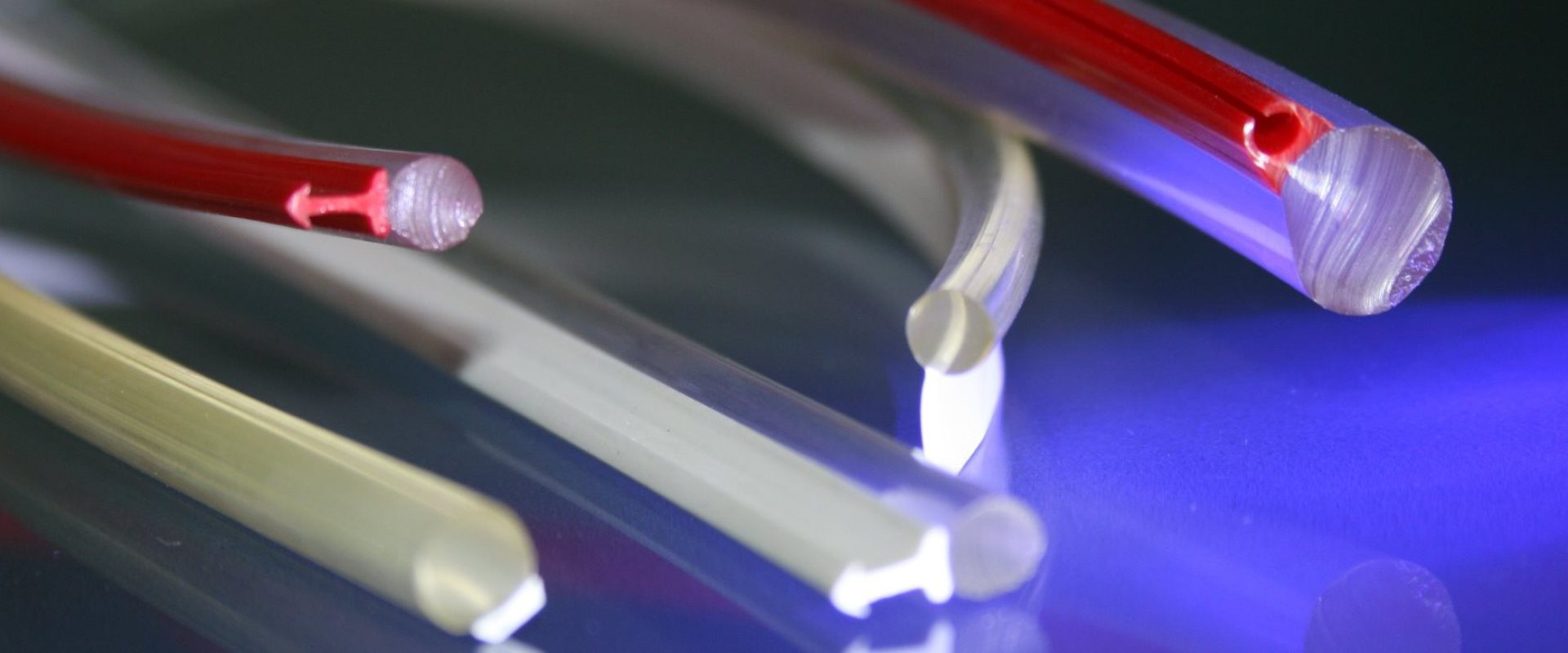
Co-Extrusion Profiles: These are manufactured items made from two plastic parts that are joined in a die-cast to form the finished item. Because of the combination of the two materials, the products may have far better characteristics. Depending on the needs, this technique may be used to manufacture goods that blend the qualities of two distinct plastic kinds in layers.

Poly Tubing: These tubes are made from a range of polythene polymers, such as HDPE and LDPE. These products can be utilised as transfer hoses, food and beverage transfer devices, etc.

Flexible PVC: In addition to being used for insulation, flexible PVC is also extensively used in the medical sector due to its special properties. This product is made from V75 or V90HT cable grade material and has the ability to be utilised as a liquid carrying hose due to its qualities.

The industrial sector has seen a global revolution due to the low cost and large-scale production of plastics. Talk to the leading businesses to find out more about the various products and base your choices on the requirements of your company.

Tuesday, 3 December 2024

Understanding the Plastic Extrusion Process for Electrical Conduit Manufacturing

Plastic electrical conduits have become an indispensable component in modern electrical installations. Their versatility, durability, and cost-effectiveness make them a preferred choice over traditional metal conduits. The plastic extrusion process of manufacturing these conduits involves a complex yet fascinating technique known as plastic extrusion.

What is Plastic Extrusion?

Plastic extrusion is a manufacturing process that involves melting plastic pellets and forcing them through a shaped die to create continuous profiles. This process is widely used to produce electrical conduit, and a variety of plastic products, including pipes, tubes, profiles, and sheets.

The Extrusion Process for Electrical Conduit Manufacturing

The process of manufacturing plastic electrical conduits involves several key steps:

  1. Material Selection:
    • The first step is to select the appropriate plastic resin. Common choices for conduit manufacturing include PVC (Polyvinyl Chloride) and HDPE (High-Density Polyethylene). These materials offer excellent electrical insulation, durability, and resistance to corrosion.
  2. Material Preparation:
    • The selected plastic resin is dried to remove any moisture that could degrade the material during the extrusion process.
  3. Extrusion:
    • The dried resin is fed into an extruder, a machine that heats and melts the plastic. The molten plastic is then forced through a die, which shapes the plastic into the desired conduit profile.
  4. Cooling and Solidification:
    • The extruded conduit is cooled rapidly to solidify the plastic. Either air cooling or water cooling can do this.
  5. Sizing and Cutting:
    • Once the conduit has cooled and solidified, it is sized to the desired dimensions and cut into specific lengths.
  6. Quality Control:
    • Rigorous quality control measures are implemented to ensure that the extruded conduits meet industry standards. These measures may include visual inspection, dimensional checks, and testing for electrical and mechanical properties.

Advantages of Plastic Electrical Conduits

  • Corrosion Resistance: Plastic conduits are highly resistant to corrosion, making them ideal for use in harsh environments.
  • Electrical Insulation: Plastic conduits provide excellent electrical insulation, protecting cables from short circuits and electrical shock.
  • Cost-Effective: Generally speaking, plastic conduits are less expensive than metal conduits.
  • Fire Resistance: Many plastic conduits are fire-resistant, reducing the risk of fire spread in case of electrical faults.

By understanding the plastic extrusion process, you can appreciate the engineering and manufacturing expertise that goes into producing the high-quality electrical conduits that are essential for modern electrical installations.

Sunday, 3 November 2024

How Flexible Plastic Tubes Revolutionize Modern Manufacturing and Design?

Industrial-level flexible plastic tubes manufacturers produce excellent quality plastic and rubber tubes and extrusion. These products have several uses and useful benefits that make them essential in both commercial and industrial contexts.

Among other applications, split loom tubing is frequently utilised in HVAC, irrigation, electrical conduit, and pneumatic and hydraulic systems. Additionally, they have outstanding insulating qualities, which makes them perfect for shielding cables and conductors from external elements like moisture.

Applications of Plastic Tubes and Extrusion in Industry:

Plastic-made extrusions and tubes are appropriate for carrying hazardous or corrosive products because of their exceptional durability and chemical-resistant properties.

These tubes and extrusions are perfect for intricate installations because of their great flexibility, which makes it simple to bend and route them in confined places.

These tubes are also inexpensive, lightweight, and simple to install, which results in significant cost savings when compared to more conventional metal or glass options.

These flexible rubber edging products are well-suited for applications requiring flexibility due to their elasticity, which enables them to bend and conform to various forms and sizes in the automotive, aerospace, and medical sectors. They also provide robust edging and rubber-made pelmets to many consumers.

Conversely, rubber tubing provides strength and stability, which makes it appropriate for uses requiring durability and rigidity, in various industrial, manufacturing, maritime, and construction sectors.

Additionally, for these businesses, it is affordable and time-saving to purchase rubber tubing from trustworthy producers. They follow industry standards and laws and guarantee the dependability and quality of their rubber tubing.

To guarantee the reliable performance and longevity of their products, they make investments in R&D, employ premium materials, and implement stringent quality control procedures. Buying from reputable manufacturers also gives companies access to dependable after-sales service, product customisation choices, and technical support.

All things considered, plastic tubes and extrusion offer a dependable and effective solution for a range of commercial and industrial applications, making them an essential part of many sectors.

Therefore, if anyone spends money on reputable manufacturers to avoid expensive downtime, lower maintenance expenses, and guarantee the system's or product's dependability and safety.

Evaluate their market reputation and product price through detailed research online before investing

Monday, 30 September 2024

Why Using Plastic Extrusion is Important for Manufacturing Industries?

Plastic extrusion profiles have become crucial components in a wide range of industries. Building involves a wide range of business sectors, including plumbing items, pipe fabrication, and other ventures. Some well-known manufacturers make high-quality plastic-made extrusion profiles for a variety of industries.

Plastic split corrugated conduit and tubing are significant components in many construction and manufacturing enterprises. These producers create flexible tubes and profiles that are tailored to meet specific aesthetic and practical requirements. Furthermore, extrusions are important in industries like building, transportation, and transportation due to flexibility and low cost.

Advantages of Using Extrusion Profiles and Tubes:

Established producers provide high-quality plastic tubes that are used in commercial structures and construction. Plastic tubes are often utilized in construction.

Plastic tubes are widely utilized in construction for a variety of applications, including plumbing, electrical conduit, and cable management.

Because of their lightweight design, corrosion resistance, and durability, these tubes are ideal for various applications. Furthermore, these manufacturers build plastic tubes with smooth interior surfaces to allow liquids or wires to travel freely while reducing the possibility of jams or interruptions.

In addition to plumbing and electricity, these tubes are employed in commercial buildings for retail and exhibition solutions, such as customized shelving, signage, and display fixtures.

These well-known manufacturers produce versatile and distinctive designs that may be tailored to individual branding and marketing needs. Furthermore, the light weight of these profiles facilitates installation and reconfiguration in commercial situations.

Meanwhile, firms should contact a reliable manufacturer with a good market reputation and guaranteed quality items that meet industry standards. Before picking these companies to acquire their products based on company needs and make environmentally conscious judgments, ensure that they utilize tight quality control processes and materials that comply with regulatory criteria.

Find a Recognised Manufacturing Company for Extrusions:

  • Find a manufacturer with a solid industry reputation, authorized certifications, and quality management.
  • Look for companies who have vast expertise in making high-quality extrusions adapted to exact requirements.
  • Check customer reviews and testimonials for information about their dependability and product quality.
  • Check the variety of services available, such as design aid, material selection, and post-production support.
  • Ensure that the company uses cutting-edge technology and follows industry standards.

Finally, select a reliable manufacturer through a comprehensive verification process to meet project needs.