Showing posts with label lszh rigid conduit pipe. Show all posts

Wednesday, 1 April 2026

Comprehending Custom Profiles and Extrusions in Contemporary Manufacturing

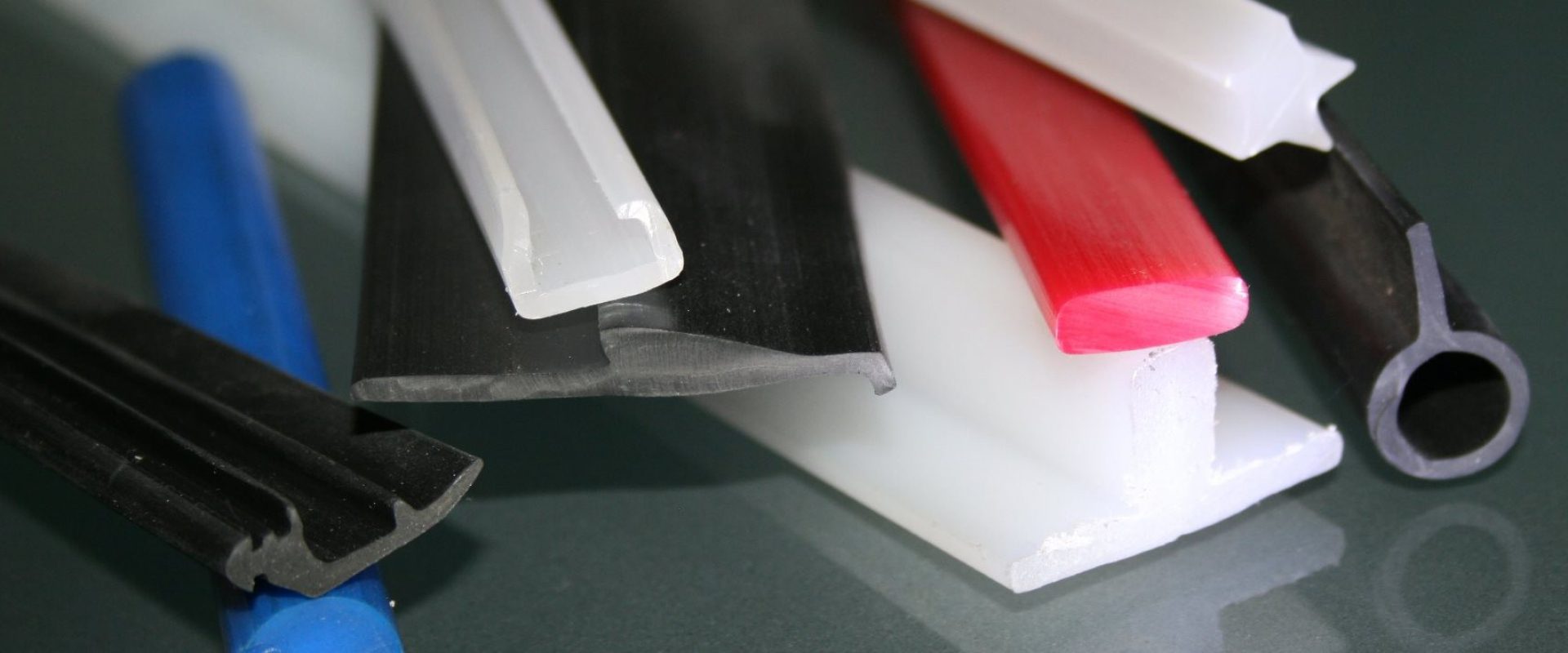
Precision and customisation are now crucial elements of successful production in today's quickly changing industrial environment. Custom profiles and extrusions are among the most adaptable solutions used by industries. These specifically made parts are made to fit certain needs and provide flexibility, effectiveness, and performance benefits in a variety of applications. Custom extrusions are influencing the design and manufacturing of a wide range of items, from electronics and furniture to automobiles and construction.

Comparing Conventional and LSZH Conduits

LSZH rigid conduit pipe has clear advantages over conventional PVC or metal conduits. PVC conduits are commonly used and reasonably priced; however, because of their poisonous emissions, they provide serious concerns in fire situations.

Practicality, performance, and safety are all balanced in LSZH conduits. They offer the required security without sacrificing adaptability or effectiveness. They are therefore a favoured option for projects that put both functionality and safety first.


Custom Extrusions: Design Considerations

Engineers and manufacturers must carefully plan and work together to design unique profiles and extrusions. To guarantee optimal performance, factors including wall thickness, material selection, and tolerance levels must be taken into account.

The viability and cost of production are also influenced by the design's intricacy. Although complex forms are feasible, they can call for more sophisticated equipment and procedures. Achieving the greatest outcomes requires striking a balance between practical factors and design criteria.

Considerations for Installation and Maintenance

To get the most out of LSZH rigid conduit pipe, proper installation is necessary. It is crucial to make sure the pipes are firmly installed and to adhere to the manufacturer's instructions. By doing this, possible problems are avoided and the electrical system's integrity is preserved.

Another important factor is routine maintenance. Even though LSZH conduits are quite resilient, regular examinations can help spot any wear or damage. Early resolution of these problems guarantees ongoing performance and security.

Monday, 24 November 2025

Durable and Flexible Extrusion Profiles: Invest for Critical Competitive Edge!

Applying durable extrusion profiles and plastic tubing enhances the functionality and durability of products across a broad spectrum of industries. Recognised manufacturers use advanced technologies and high-quality PVC materials to create flexible and long-lasting profiles that offer versatility and customisation for a wide range of applications.

Leading manufacturers specialise in designing lSZH rigid conduit pipe or split loom tubes and other extrusion products used extensively in automotive sectors, heating and cooling systems, refrigeration, electrical insulation, and more.

They use industrial-grade materials such as PVC and thermoplastic polyurethane to ensure their tubing and profiles meet diverse industrial standards. This includes producing LSOH corrugated split tubing, UV-resistant HDPE solar conduit, LSOH rigid conduit, spiral wrap, poly tubing, and flexible or smooth plastic tubes with varying wall thicknesses.

Importance of Applying Extrusion and Conduit Tubing in Industrial Applications:

Established manufacturers provide seamless production processes from concept through to final product, delivering components essential across fields like automotive, mining, energy storage, and construction. Their adaptability allows for complex, tailor-made designs such as curtain railings and pipelines, meeting specific project requirements.

Renowned Australian companies leveraging these premium extrusion solutions benefit from increased product efficiency, longevity, and performance.

The precision manufacturing techniques employed ensure consistent quality while maintaining affordability. Durable materials contribute to improved reliability and resistance to harsh environments.

Moreover, these manufacturers emphasise efficient project management and customer service, enabling the timely delivery of custom-engineered components.

When selecting an extrusion supplier, thorough research is essential. Look for reputable firms with strong portfolios, industry certifications, quality control protocols, and positive customer feedback to ensure the best fit.

Overall, businesses must invest in extrusion profiles and plastic tubing, which represent essential building blocks in today’s industrial landscape. Their versatile applications, associated with bespoke manufacturing and high-quality materials, support a wide variety of sectors striving for innovation, durability, and cost-effective solutions.

Therefore, choose a trusted Australian manufacturer that guarantees reliable products designed to meet the demanding requirements of modern industry.

Friday, 25 July 2025

The Important Role of Plastic Extruders in Manufacturing Plastic Profiles

Extrusion profiles from leading plastic extruders have been the cornerstone of plastic production in Australia due to their ability to provide high-quality products with a continuous cross-section. Due to its adaptability, the introduction of plastic material has been crucial to maintaining high productivity as the industrial sector has expanded internationally. Extrusion profiles produced by reputable manufacturers are used in the mining and construction sectors for a variety of equipment applications.

For the installation of electrical lines in a variety of residential, commercial, and industrial structures, LSZH rigid conduit pipe is generally regarded as the industry standard. Depending on the needs of the industry, extrusion profiles are made from a variety of plastics or polymers, including HDPE, polystyrene, polypropylene, etc. The raw material must be formed into the proper shape by passing it through a machine under extreme pressure in order to produce these profiles. Furthermore, leading manufacturers were able to use a process known as co-extrusion to blend two different materials.

List of Plastic Products Produced Using Various Methods

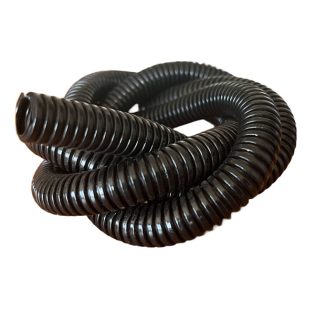
Corrugated Tubing: These tubes may be used for wiring and other purposes because of their parallel ridges and strength, and flexibility. Because of their modest volume and superior safety features, these tubes can occasionally even outperform PVC.

Co-Extrusion Profiles: This allows the brand to use materials that are often better by using two different polymers. Spiral wraps, which are made of plastic, are the best wraps for protecting the contents from different weather conditions. The material may even protect the items stored within from UV radiation.

Solar conduits are the materials that are used to protect the electrical cables that are placed near the solar panels. These cables are packaged in these containers because they provide protection from the sun's UV radiation.

Plastics are widely employed in electrical wire systems and other procedures across a wide range of industries. Contact leading manufacturing companies of these products if you want the best plastic product available or if you want to work with leading companies that provide custom product creation.

Monday, 9 June 2025

Why LSZH Rigid Conduit Pipe Is the Safer Choice for Modern Electrical Installations

In today’s world, electrical installations are no longer just about performance—they’re about safety, sustainability, and long-term reliability. One material that’s steadily gaining ground in the electrical and cabling industry is the LSZH rigid conduit pipe. Designed to meet the demands of modern infrastructure, it offers distinct advantages over conventional conduit options, especially when safety is a top priority.

What Is LSZH?

LSZH stands for Low Smoke Zero Halogen. It refers to a type of thermoplastic custom profiles and extrusions material that, when exposed to high heat or fire, releases significantly lower amounts of smoke and absolutely no halogen-based toxic gases like chlorine or fluorine. This makes LSZH rigid conduit pipe a smart choice for environments where fire safety is critical.

Why LSZH Rigid Conduit Pipe Is a Safer Option

Traditional conduit materials such as PVC can emit thick black smoke and harmful halogen gases when burned. These emissions not only reduce visibility during emergencies but also pose serious respiratory hazards. In contrast, LSZH conduit pipe:

  • Emits minimal smoke, aiding visibility during evacuation
  • Produces non-toxic, non-corrosive gases
  • Reduces overall fire load in a building
  • Complies with stringent safety and environmental standards

These features make LSZH a preferred material in enclosed and high-traffic areas such as airports, railways, hospitals, data centres, and high-rise buildings.

Durability and Performance

Aside from fire safety, LSZH rigid conduit pipe is known for its robust mechanical strength, impact resistance, and stability under varying environmental conditions. It’s suitable for both indoor and outdoor use, offering protection against UV rays, moisture, and chemicals. The pipe’s rigid structure also helps maintain cable alignment and prevents sagging, ensuring a clean and reliable installation.

As safety standards continue to evolve and projects grow more complex, investing in the right conduit system becomes vital. The LSZH rigid conduit pipe is not just a safer alternative—it’s a forward-thinking solution aligned with the needs of modern infrastructure. By choosing LSZH, engineers and project managers are taking an important step toward safer, smarter electrical installations.

Tuesday, 27 May 2025

The Role of Plastic Extrusion in Manufacturing LSZH Rigid Conduit Pipe

The plastic extrusion method, which is widely recognised in the industry for producing high-quality goods, is used to make LSZH rigid conduit pipe. Because it can produce large quantities of items quickly, this technology has become the industry norm. Since plastics can be used for so many different things, including pipes, tubes, wraps, and more, they have taken over every industry worldwide.

Corrugated tubes and corrugated split tubing are two examples of the many extrusion profiles that are produced using the extrusion process. Every piece of machinery employed in the process has the potential to produce certain product types and sizes, including electrical conduit fittings. LSOH corrugated conduit, PVC solar conduit, split loom tube solar conduit, polypropylene loom tube, polyamide conduit, and more well-known products may be made using the plastic extrusion process.

A List of Some of the Main Items Made Using Extrusion Technology

Corrugated Tubing: These items are utilised for a number of purposes, including solar farm installations, cable cleaning, automotive wiring protection, and industrial wiring protection. Among the many benefits of these goods are UV and high-temperature heat stabilisation.

Co-Extrusion Profiles: These are manufactured products that are created by joining two plastic pieces in a die-cast process. The items may have much superior qualities as a result of the two components being combined. This method may be used to create products that combine the properties of two different types of plastic in layers, depending on the requirements.

Poly Tubing: HDPE and LDPE are two examples of the several polythene polymers used to make these tubes. These items can be used as food and beverage transfer devices, transfer hoses, etc.

Flexible PVC: Because of its unique qualities, flexible PVC is widely employed in the medical industry in addition to being used for insulation. Because of its features, this product may be used as a liquid-carrying hose. It is constructed from V75 or V90HT cable-grade material.

Plastics' low cost and widespread manufacture have caused a global revolution in the industrial sector. Speak with the top companies to learn more about the different products and make decisions based on your company's needs.